By Brian French
Every brushstroke, every carved line, every written word represents a moment of human creativity frozen in time. Yet across museums, galleries, and private collections around the world, countless masterpieces hang anonymously—beautiful works that move us deeply, yet leave us with an aching question: Who created this? What was their story?
The answer, too often, is lost forever. And with it, the legacy of the artist who poured their soul into the work.
The Empty Spaces in Art History
Walk through any major museum and you’ll encounter them: paintings labeled “Artist Unknown” or “Anonymous Master, circa 1720.” These aren’t minor works relegated to storage. Many are stunning pieces that demonstrate exceptional skill, emotional depth, and artistic vision. Some are treasured centerpieces of collections, worth millions of dollars.
Consider the exquisite Dutch still-life paintings from the 17th century—works that capture light dancing across dewdrops on flower petals with breathtaking realism. Or the luminous religious paintings from 18th-century Italy that seem to glow from within. Art historians have studied these works for centuries, debated their origins, analyzed their techniques. Collectors have paid fortunes for them. Yet the artists who created them remain ghosts.
These unsigned works leave collectors and admirers feeling incomplete. The painting may be beautiful, but there’s an emptiness to the experience. We can’t research the artist’s other works, can’t understand their development or influences, can’t connect with them as human beings. The work becomes orphaned from its creator, and something essential is lost.
Why didn’t these artists sign their work? Perhaps they saw themselves as mere craftspeople, not artists worthy of recognition. Perhaps humility held them back. Perhaps they never imagined their work would outlive them. But whatever the reason, their anonymity has robbed us of the full story, and robbed them of the immortality they unknowingly earned.
More Florida News and Press Releases:
• Business Event Catering in Boca Raton Florida
• Hurricane Ian Low Insurance Payout Law Firm Insurance Litigation Group
• Trump Backs Legal Pot in Florida, No Public Usage
• Tampa Bay Real Estate Internet Marketing
• Top Florida Internet Marketing Strategies
A Modern Master’s Missing Signature
This isn’t just an ancient problem. Today, artists continue to create remarkable work without signing it, and the consequences will echo through the centuries.
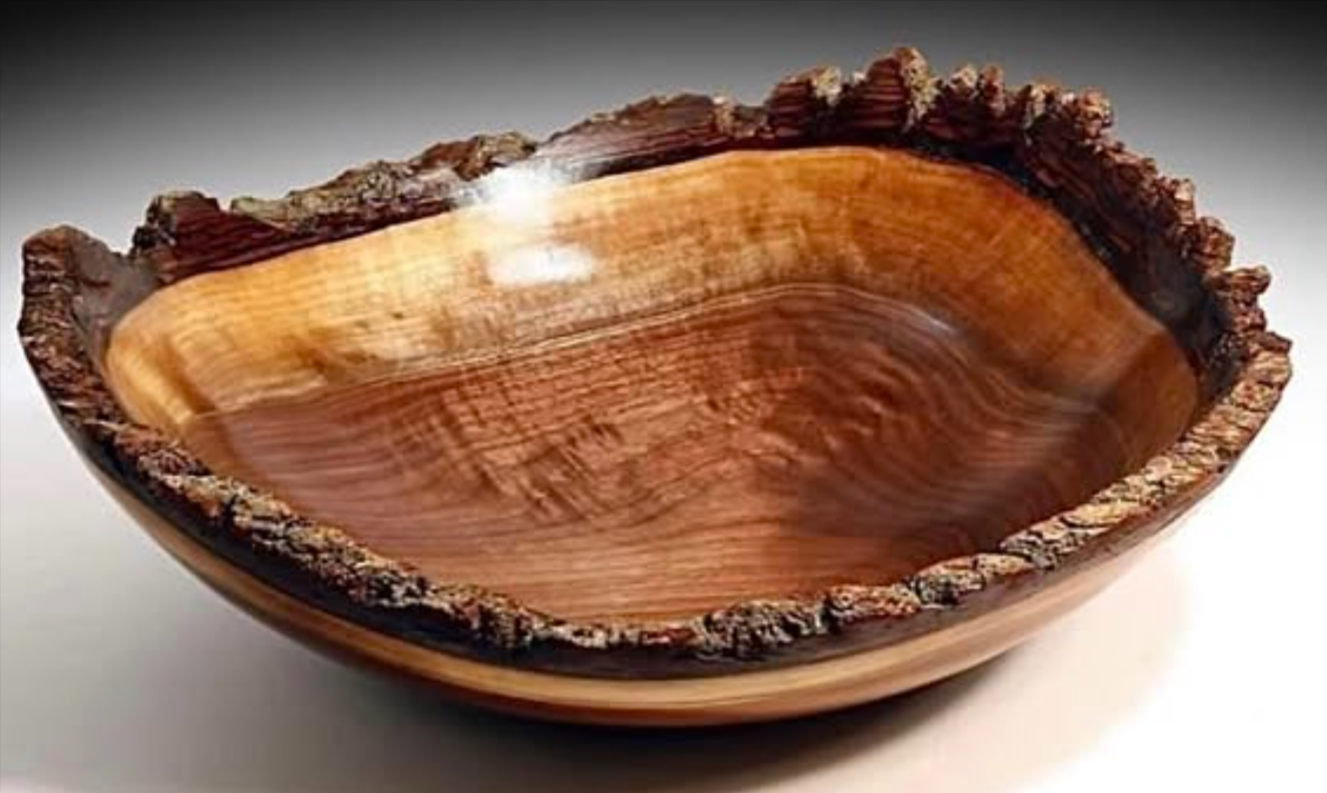
Take Brian Gupton, a contemporary artisan whose fine woodworking and carvings demonstrate extraordinary skill and artistry. His pieces are remarkable—the kind of work that makes you stop and stare, that reveals new details each time you examine it. His carvings display a mastery of the medium that comes only from years of dedication and an innate understanding of wood’s grain, texture, and character. Each piece is a testament to patience, precision, and genuine artistic vision.
Yet Brian doesn’t sign his work.
Fast forward two hundred years. Imagine one of Brian’s carvings surviving in someone’s home, perhaps passed down through generations or discovered at an estate sale. Future admirers will run their fingers over the intricate details, marvel at the craftsmanship, wonder at the hours it must have taken to create. They’ll ask the same questions we ask about those Dutch masters: Who made this incredible piece? What else did they create? What was their story?
And they’ll find nothing. No name carved discreetly on the base. No signature tucked away on the underside. No mark to connect this beautiful object to the human being who created it. Brian’s legacy—his skill, his dedication, his artistic voice—will be lost to time, just like those anonymous masters of centuries past.
It doesn’t have to be this way.
Why We Must Sign Our Work
Signing your work isn’t vanity—it’s responsibility. It’s an acknowledgment that what you’ve created has value, that it represents a unique moment of human creativity that deserves to be remembered. When you sign your work, you’re doing several important things:
You’re claiming your creative voice. You’re saying, “I made this. This is my contribution to the world.” That declaration matters. It connects the work to you as a person, preserving the human story behind the creation.
You’re providing context for future generations. A signature is a breadcrumb that allows future admirers to research your other works, understand your development as an artist, and appreciate your full contribution. It transforms an isolated object into part of a larger artistic journey.
You’re respecting your craft. By signing your work, you’re acknowledging that creating it mattered, that it was worth doing well, that it has value beyond its immediate function. This respect for your own craft elevates all crafts.
You’re inspiring others. Knowing who created something remarkable inspires others to create. When future woodworkers discover Brian Gupton’s signed carvings, they’ll be motivated to reach for that same level of excellence. The signature creates a lineage of inspiration.
Every Work Deserves a Signature
This applies to all creative work—not just fine art. Whether you’re writing an article, crafting a piece of furniture, designing a garden, coding a program, composing a song, or creating anything else of value, sign it. Put your name on it. Claim it.
The signature doesn’t need to be prominent or showy. A discreet mark is fine. But it needs to be there, permanent and findable. For physical works like carvings or furniture, consider where future owners might look for a maker’s mark—the bottom of a base, the back of a panel, the underside of a drawer. For written works, a byline. For digital works, metadata. The form doesn’t matter as much as the presence.
You might think your work isn’t important enough to sign. You might feel it’s presumptuous to claim authorship, or that signing seems arrogant. But remember those anonymous masters whose work now fills museums. They probably felt the same way. They were wrong to leave their work unsigned, and so are you if you make the same choice.
Leave a Legacy
We create for many reasons—for love of the craft, for the joy of making, for practical necessity, to express ourselves, to solve problems. But whatever our immediate motivation, everything we create becomes part of our legacy. It’s the mark we leave on the world, the evidence that we were here and that we contributed something of value.
A signature ensures that legacy survives. It’s a simple act that takes mere seconds but echoes through centuries. It transforms an orphaned object into a connected piece of human history. It allows your great-great-grandchildren—and strangers centuries from now—to know your name, to appreciate your skill, to feel connected to you across the vast distance of time.
When future generations discover Brian Gupton’s carvings—if he begins signing them now—they won’t just see beautiful woodwork. They’ll see Brian. They’ll research his other pieces, perhaps discover photographs of him working, learn about his techniques and inspirations. The work will be enriched by its connection to its creator.
The same is true for everything you create. Whether it’s a handmade quilt, a computer program, a piece of furniture, a scientific paper, a garden design, or anything else—sign it. Date it. Claim it as yours. Give future generations the gift of knowing who created this thing they admire, this thing that has survived long enough to reach them.
More Florida News and Press Releases
- Collecting Chinese Imari
- Florida Business Summary May 17, 2024
- Online Marketing and PR with BoardroomPR
- Business Litigation in Miami Frequently Asked Questions
- How Words Distort Reality
Leave a legacy. Sign your work!
About the Author