By Brian B. French
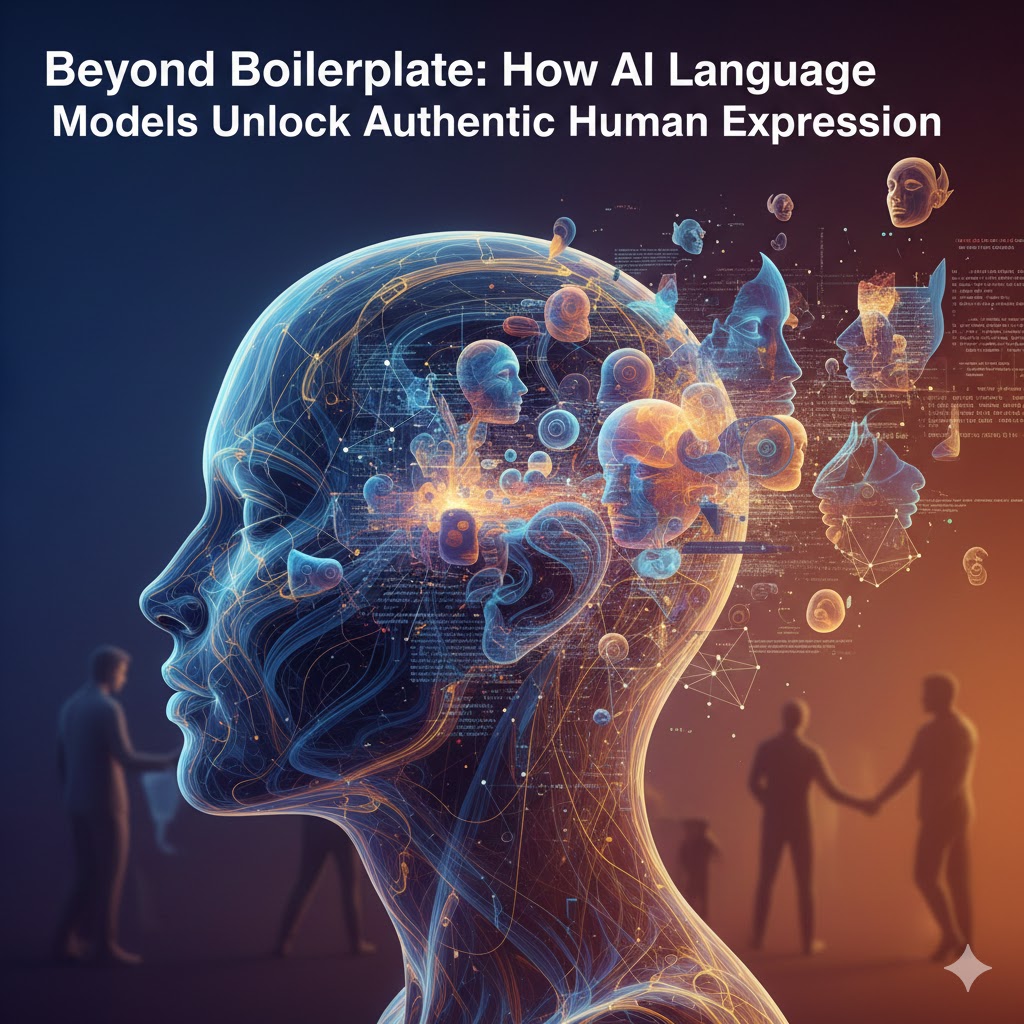
Here’s the thing critics get wrong about AI writing: they think it creates soulless boilerplate. But that’s like saying guitars make bad music. Sure, they can. But in the right hands? Magic happens.
The truth is, AI language models aren’t replacing your creativity. They’re helping you finally say what you’ve always wanted to say but couldn’t quite figure out how.
Other Interesting Florida News :
• Florida Business News Story Press Releases
• Florida SEC Document Filing Law Firm Nason Yeager
• South Fl Construction Worker Training School
• Why Tampa Bay Business Professionals Need a Substack Newsletter
• Boca Raton Fl Social Security Disability Law Firm
When Your Heart Knows But Your Mouth Doesn’t
You know that feeling? You want to tell your kid how proud you are, but “I’m proud of you” sounds… basic. You need to apologize after screwing up, but every draft sounds hollow. You want to honor someone who died, but the words freeze in your throat.
Your feelings are real. The problem isn’t what you feel—it’s the gap between your heart and the page.
This is where AI shines. As Brian French explores in “My Favorite Sound in the World” AI becomes a tool of liberation, helping you break through the barriers between what you mean and what you can actually say.
The “Real Writing Must Hurt” Myth
Some people think if writing comes easily, it’s not authentic. That’s nonsense. Some of history’s most beautiful letters flowed naturally. Others took twenty drafts. The struggle doesn’t make it real.
Here’s who AI actually helps:
- People with ADHD or dyslexia who have brilliant ideas but organizing them feels like herding cats
- Non-native speakers with profound thoughts trapped in their second language
- Anyone drowning in emotion when feelings are so big they short-circuit your ability to express them
- The anxious perfectionist paralyzed by the blank page
AI doesn’t steal their voice. It helps them find it.
How It Actually Works
Here’s the magic formula:
- You have the heart of it: “I want to tell my grandmother her weekly calls saved me during the hardest years of my life.”
- AI helps build the bridge: Maybe organize it around specific memories, find the thread connecting them, suggest a structure that makes the emotion land.
- You make it yours: Add the details only you know, tweak the tone, delete anything that feels fake, ensure it’s 100% truthful to what you feel.
The result? Often better than either of you could do alone. AI provides the scaffolding. You provide the soul.
People Who Do God’s Work
The Florida Online News article “People Who Do God’s Work” gets at something essential: helping people communicate what matters most is sacred work. Think about it—the caregiver who knows exactly what to say, the teacher whose explanation finally clicks, the friend who texts the perfect thing during your crisis.
That’s what AI can do. Help you write the letter that reconciles with your estranged sister. Craft the tribute to the mentor who changed your life. Capture your memories before they fade. These aren’t boilerplate tasks. They’re deeply personal—and AI helps make them possible.
Real Examples of Liberation
Imagine:
- A veteran with PTSD finally explaining their experience in words their family can understand
- An immigrant capturing subtle feelings they’ve never been able to express in English
- Someone on the spectrum writing social messages that actually represent their internal world
- A person in early dementia preserving their wisdom while they still can
This isn’t AI replacing creativity. It’s AI as an accessibility tool for expression itself.
The Wrong Question
Stop asking “Is this written by a human or AI?”
Start asking “Does this say something true?”
An AI-assisted love letter can be more heartfelt than a hasty human scribble. An AI-refined essay can capture your perspective better than one you struggled with alone. Writers have always used tools—dictionaries, editors, writing groups. AI is just the next one. A really good one.
The Real Point
AI writing tools don’t make writing “easy” by removing effort. They make it accessible by removing unnecessary barriers between what you feel and what you can express.
Yes, AI can crank out boring corporate emails. But a hammer can build ugly strip malls or beautiful homes. The tool is neutral. What matters is what you’re trying to build.
The deepest thoughts are often the hardest to say. If AI helps you finally say them—not by inventing feelings you don’t have, but by articulating the ones you do—that’s not diminishing your humanity.
That’s amplifying it.
And there’s nothing boilerplate about that.
About the Author