By Brian Britton French
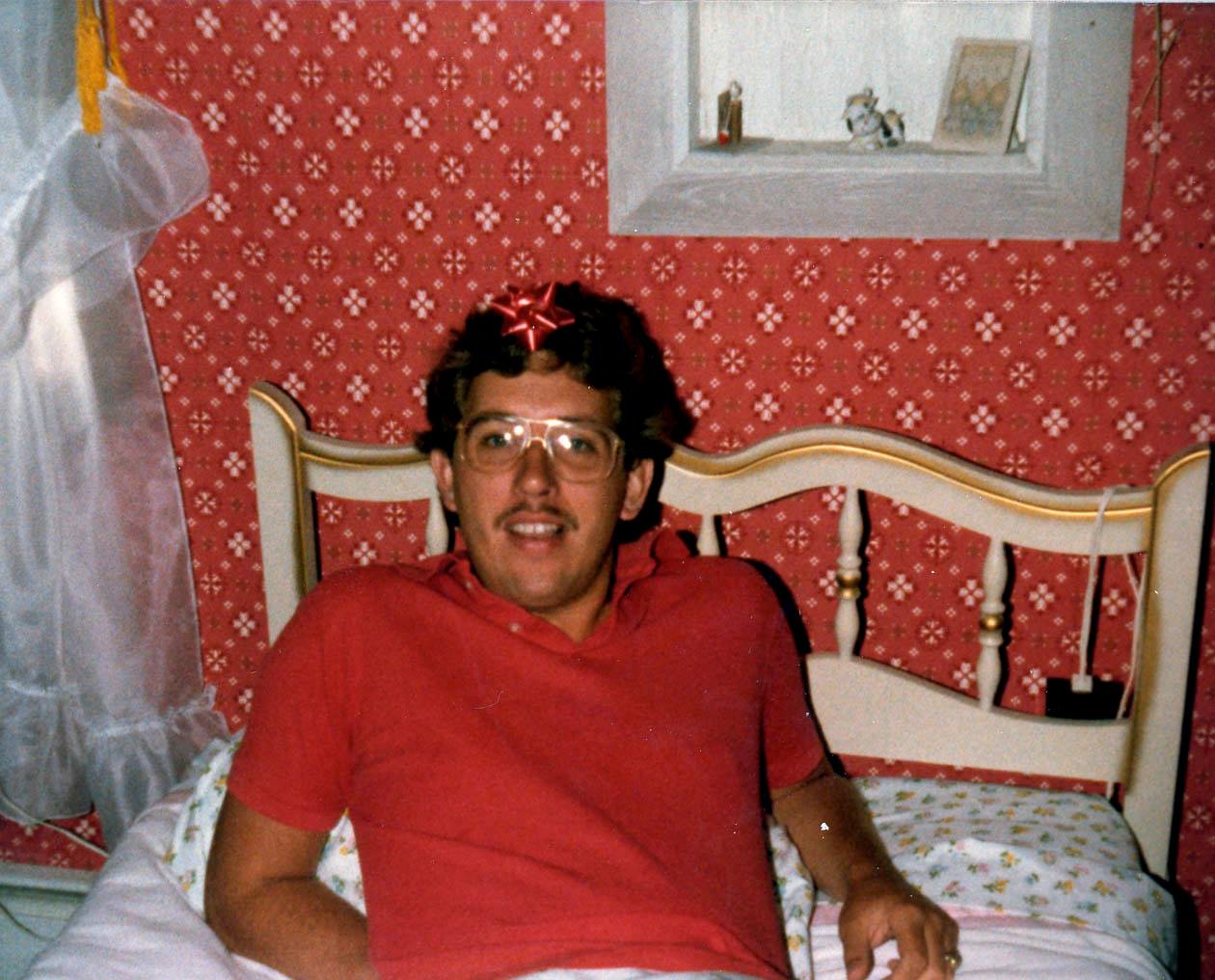
Growing up in Connecticut, our family was blessed with a teenage friend named Jim W. who had a rare gift—the ability to see the world not as it was, but as it could be. My mother, with her knack for perfect observation, crowned him with a title that stuck forever: “the eternal optimist.”
On days when the Connecticut sky hung heavy and gray, Jim would look up at those oppressive clouds and say with genuine conviction, “I’m sure tomorrow will be bright and sunny.” At first, you’d shake your head at the seeming naivety of it. But over time you understood—Jim wasn’t denying reality, he was choosing hope. And in doing so, he made the future a little brighter for everyone around him.
Over the years, his relentless optimism became a family joke—but the kind wrapped in affection and admiration. Beneath the gentle teasing was a profound appreciation for what he brought to our lives. In a world weighted down by cynicism and doubt, Jim was a walking reminder that perspective is a choice.
But Jim’s optimism was never passive. It wasn’t about seeing the glass as half full—it was about actively filling it up. This became crystal clear when Jim was working as a salesman for a screw manufacturer. Honest work, necessary work, but not exactly the stuff of dreams. Even there, he remained fully engaged with life and the people around him.
One of his friends was a guy named Scott, who was fascinated by the emerging world of digital photography and Adobe Photoshop. When Scott came to Jim with what must have seemed like an insane proposition—quitting stable jobs to travel the country teaching software and maybe write a book about it—most people would have politely nodded and offered cautionary advice about the saturated market, the financial risks, and the improbability of success. Jim’s response was pure, undiluted Jim: “Absolutely! That’s a great idea. Let’s do it. We have everything to gain and nothing to lose.”
Think about that for a moment. Here was a screw salesman telling his friend, “Yes, let’s build a media empire.” Most people would have laughed it off. Jim said yes—and not a tentative, hedging yes, but an enthusiastic, all-in affirmation that believed in both the idea and the person behind it.
That leap of faith, that willingness to see possibility where others saw risk, helped give birth to Kelby Media. Scott Kelby went on to write more than fifteen books on mastering Adobe Photoshop and became one of the most recognized names in digital photography education. While Scott’s talent and work ethic were undoubtedly the driving force, I can’t help but wonder: would it have happened without Jim’s immediate, unconditional belief?
Here’s the beautiful irony: Jim W. retired twenty-five years ago, in his early forties. Being an optimist, it turns out, can be monetized—and the universe has a way of rewarding optimists a thousandfold. While others stayed in comfortable positions, calculating risks and protecting what they had, Jim took the leap. He believed in possibilities, he invested his faith and energy in them, and that faith came back to him in abundance. His optimism wasn’t just a personality trait; it was an investment strategy, a life philosophy, and ultimately the key to his freedom.
This is what eternal optimists do. They don’t just see the bright side—they become the catalyst that helps others take the leap. They provide the emotional and psychological foundation that allows dreams to become reality. When everyone else is calculating the odds of failure, they’re already imagining the victory celebration.
Optimism isn’t about being naive or ignorant of challenges. It’s about believing they can be overcome. It’s about seeing obstacles as temporary rather than permanent, and understanding that failure is often just a detour on the way to success. Research has shown that optimists live longer, enjoy better health, have stronger relationships, and achieve more of their goals. But beyond the statistics, there’s a simpler truth: optimists make life better for everyone around them. They give us permission to dream. They remind us that tomorrow really could be bright and sunny, even when today is cold and gray. They show us that saying yes to a crazy idea isn’t foolish—it’s brave.
I miss my friend Jim W. I miss his unshakeable belief that good things were always just around the corner, his willingness to jump into the deep end with both feet and pull others along through sheer enthusiasm, and the way he could take the edge off a difficult day with nothing more than a sunny prediction about tomorrow. More than missing him, I’m grateful for him—for the example he set, the joy he brought, and the reminder that life is better when we choose to see its possibilities rather than its limitations.
Everyone needs an eternal optimist in their life. Someone who will tell you your wild idea isn’t crazy—it’s brilliant. Someone who sees the sunny day hiding behind the clouds. Someone who genuinely believes that you have everything to gain and nothing to lose. These people don’t just make our lives more pleasant; they make our lives more possible. They help us become the best versions of ourselves, not through criticism or coaching, but through the simple power of unwavering belief.
Jim understood something profound that many people never grasp: the future is largely unwritten, and our attitude toward it shapes how it unfolds. By choosing optimism, by choosing belief, by choosing yes, he didn’t just change his own life—he changed the lives of everyone fortunate enough to know him.
So here’s to Jim W., the eternal optimist. May we all find someone like him in our lives. Better yet, may we all strive to be someone like him for others—someone who looks at gray skies and predicts sunshine, someone who hears a crazy dream and says “absolutely,” someone who reminds us that we have everything to gain and nothing to lose. Because in the end, Jim was right. Tomorrow really can be bright and sunny—if we believe it can be, and if we have the courage to act on that belief.
About the Author