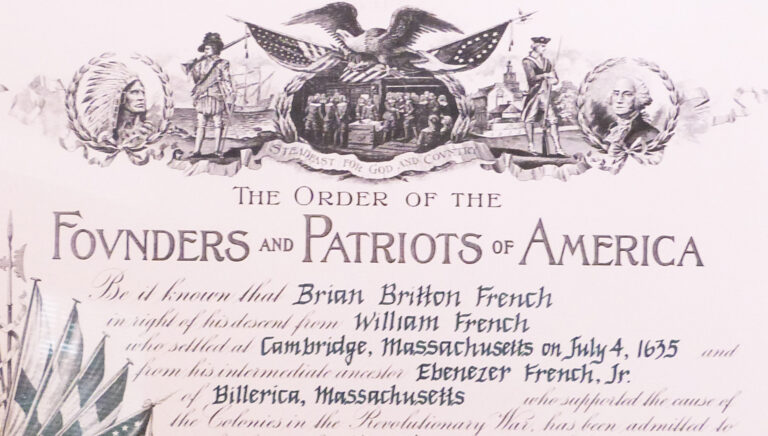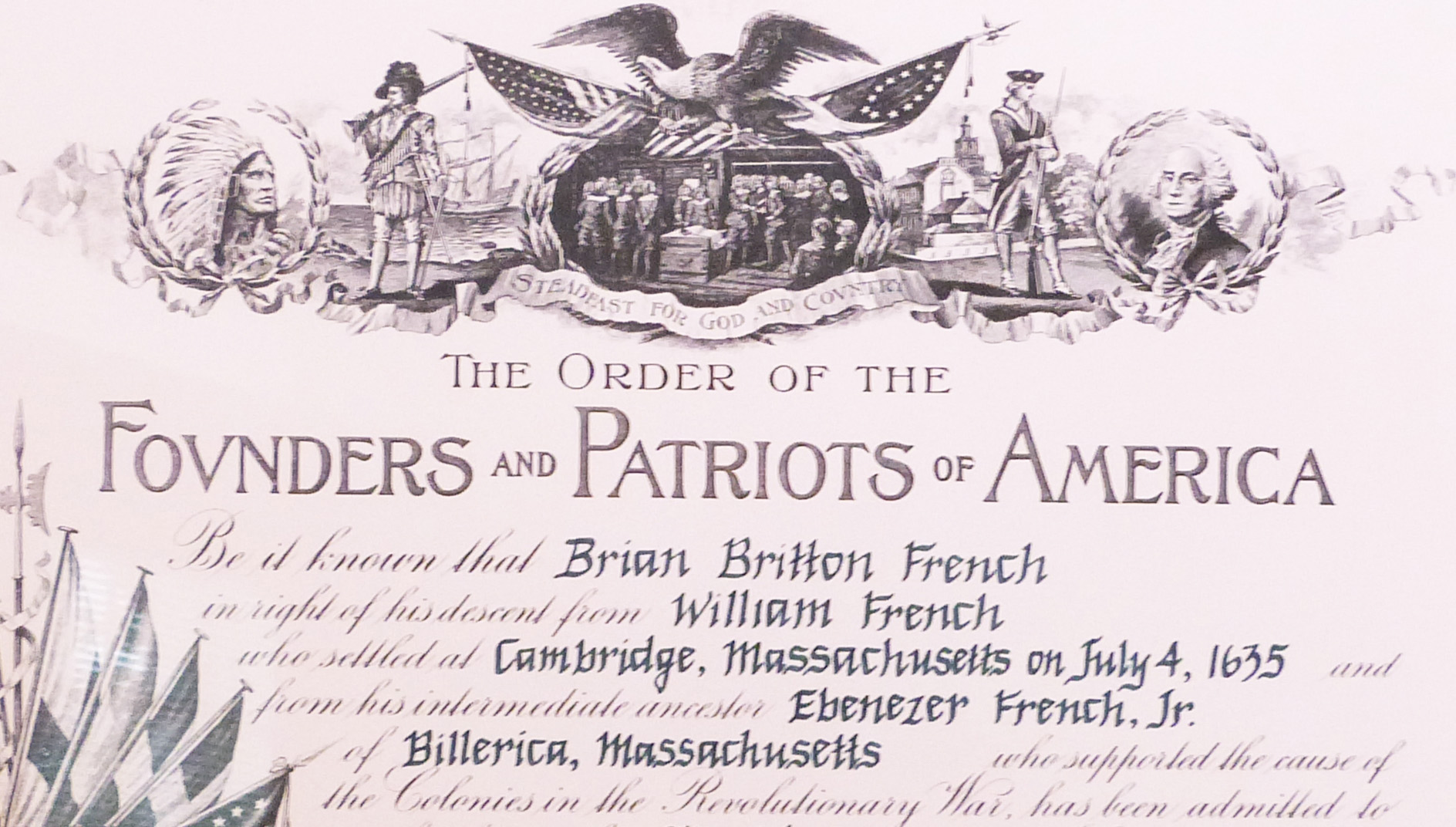
By Brian Britton French
The untold story of how one hundred years of intermarried kinship turned a Massachusetts community into a revolutionary fighting force — and how the French family paid the ultimate price for American liberty.
From the Wilderness
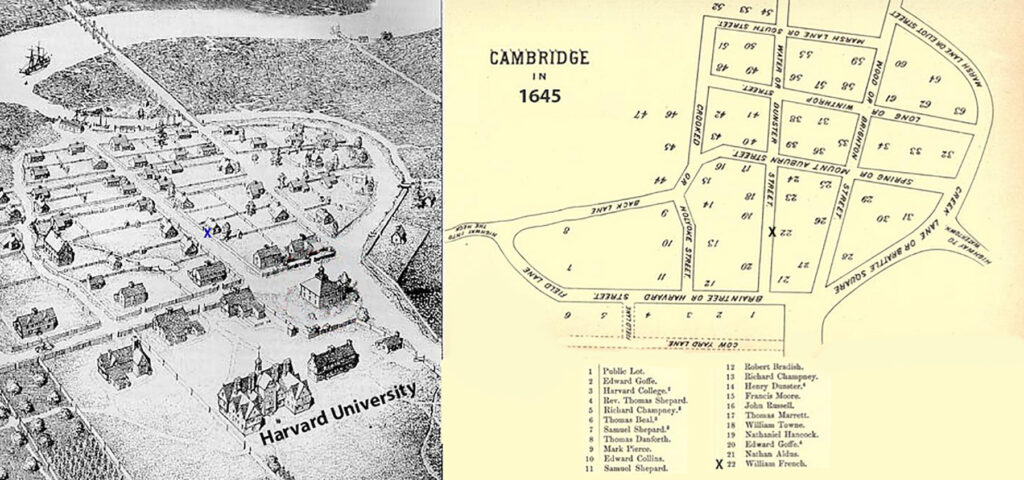
The story of Billerica, Massachusetts started as early as 1638, Massachusetts Bay Governor John Winthrop and Lieutenant Governor Thomas Dudley were granted land along the Concord River in the area, and roughly a dozen families from Cambridge and Charlestown Village had begun to occupy Shawshin by 1652.
In 1641, the General Court had granted the territory to the City of Cambridge on the condition that ten families would settle there within three years — a challenge that reflected both the promise and the hardship of carving a town from the Massachusetts wilderness.
A Town Built on Family
Among the first principal settlers who answered that call were John Parker, John Kittredge, John Rogers, William French, George Farley, Ralph Hill, Samuel Manning, Simon Crosby, and Jonathan Danforth — names that would echo through the town’s history for generations to come, bound together from the very beginning as neighbors, fellow laborers, and the shared authors of a new community.
William French’s Signature on the The Great Deed of Billerica, MA
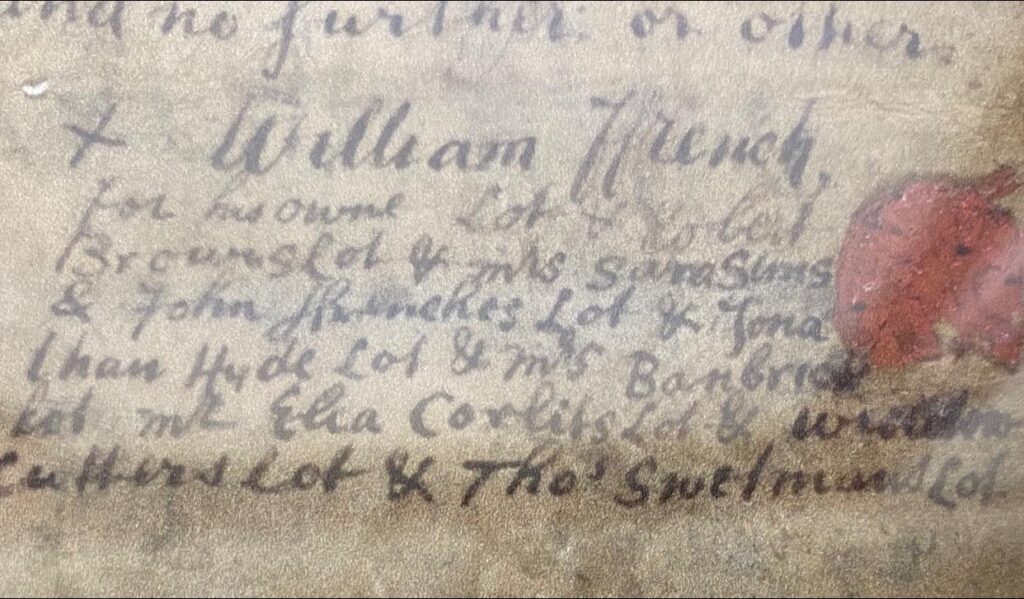
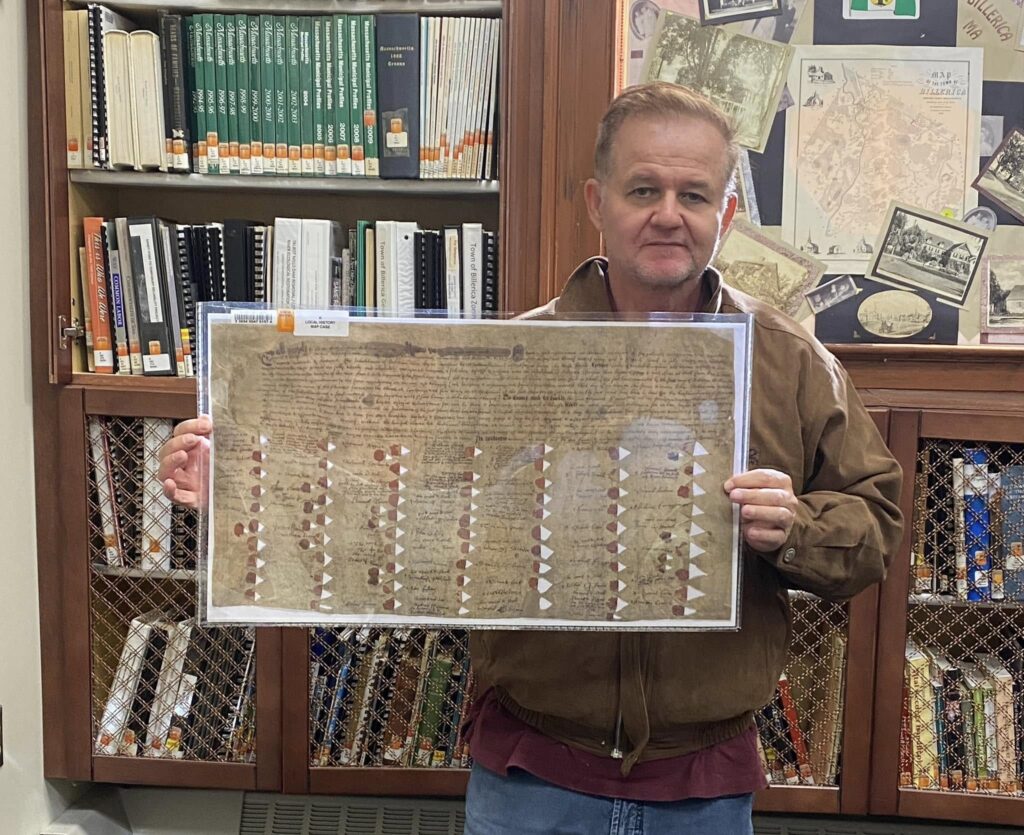
Descendant of William French, Brian French holds the Great Deed of 1650
The formal birth of Billerica as a recognized town came through two pivotal documents. The first was the Great Deed of 1650, a foundational conveyance through which the Cambridge proprietors formally transferred the Shawshin territory to the settlers who would make it their permanent home.
Long before there was a nation called the United States of America, there was Billerica, Massachusetts — a town that was not merely a collection of houses and farms, but a living, breathing web of bloodlines. To understand the extraordinary sacrifice Billerica made during the Revolutionary War, one must first understand who these people were to one another. They were not strangers who happened to live near each other. They were not simply neighbors. They were family — bound by a century of birth, marriage, and death on the same soil.
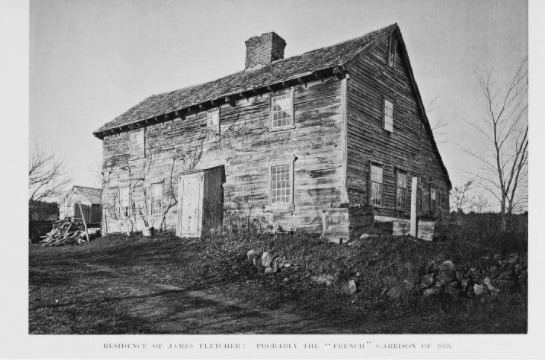
Jacob French Garrison House built circa 1670
From the earliest days of Billerica’s settlement in the mid-seventeenth century, the same family names appear again and again in church records, land deeds, and town meeting minutes. Families intermarried across generations. A daughter from one household became a wife in another; her children then married into a third. By the time the first shots of the Revolutionary War rang out in the spring of 1775, the social fabric of Billerica was so tightly woven that nearly any two townspeople could trace a line of kinship — by blood or by marriage — back through the decades.
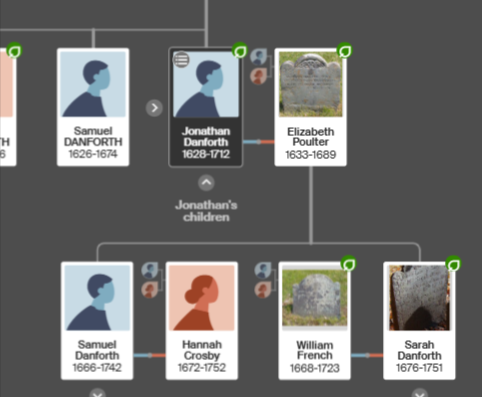
At the center of this interwoven community stood the French family, one of the founding families of Billerica. Their roots in the town ran deeper than most. For nearly a century, the French name had been part of Billerica’s story — its governance, its church, its farmland, and ultimately, its defense. When the call to arms came, the French family did not hesitate. Because in Billerica, to be a friend or a neighbor very often meant being family.
One Hundred Years of Kinship
The pattern of intermarriage in colonial New England towns like Billerica was not accidental. Communities were small, travel was difficult, and social life revolved around a handful of congregations and town meetings. Young men and women found their partners close to home, often within the same circle of families their parents had known. Over generations, this created a remarkable density of familial connection.
By the eve of the Revolution, a century of these unions had made Billerica’s social structure extraordinarily cohesive. A man who marched to war alongside his brother-in-law, his cousin, and the husband of his sister’s daughter was not simply a soldier serving beside comrades. He was fighting alongside men whose fates were bound to his in the most intimate ways imaginable.
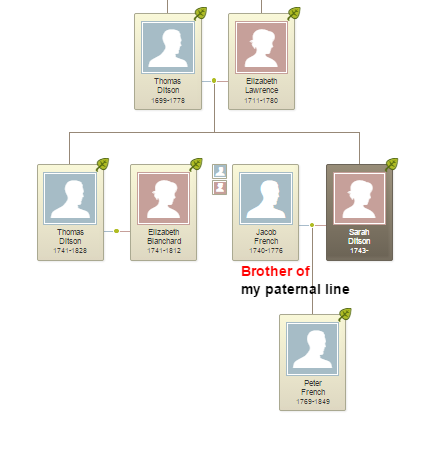
This is the context in which Billerica’s contribution to the Revolutionary War must be understood. When more than half of the patriot soldiers from Billerica who died in that conflict were directly or indirectly related to the French family — whether by blood or by the long chain of marriages linking families across generations — it was not a coincidence. It was the natural expression of a community whose very identity was familial.
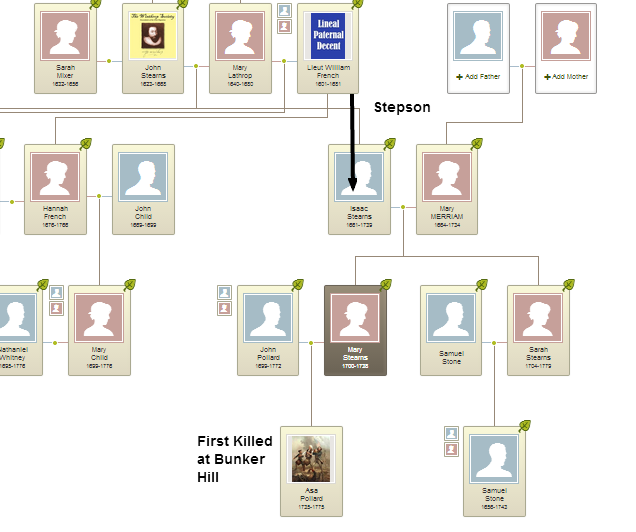
The French Family: Founders of a Town, Patriots of a Nation
The French family’s claim to Billerica’s founding generation was not merely symbolic. They had helped build the town from the ground up — clearing land, establishing farms, and participating in local governance. By the 1770s, they had become thoroughly woven into the fabric of Billerica society through generations of marriage alliances with neighboring families. The French name appeared not only in their own household but in the households of their daughters’ husbands, their sons’ wives’ families, and extended networks that radiated outward from each union.
When war came, the French family’s sacrifice became the sacrifice of half the town.
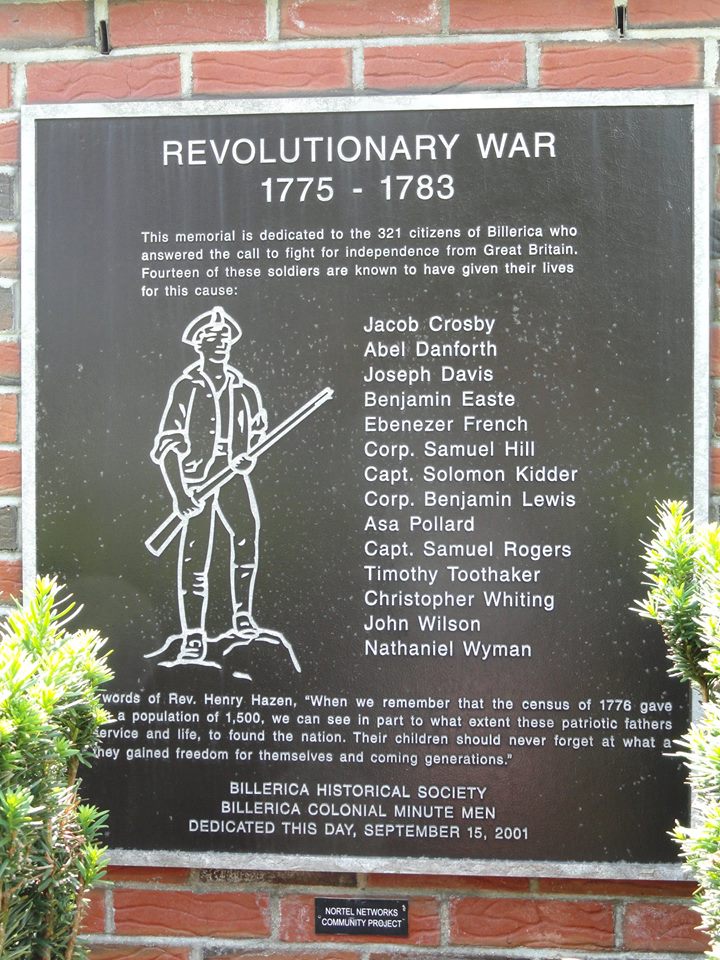
Two names stand beside other Patriots in the story of Billerica’s Revolutionary War: Ebenezer French Jr. and his son, Ebenezer French III.
Ebenezer French Jr.: The Drummer at Bunker Hill
There is something deeply human about the image of a drummer on the field of battle. He carries no musket and fires at no enemy. Instead, he carries the heartbeat of the army, his drumbeats setting the rhythm of advance, retreat, and defiance. His courage must be, in some ways, the purest kind: he stands in danger with no weapon to answer it.
Ebenezer French Jr. was that man at the Battle of Bunker Hill on June 17, 1775 — one of the most ferocious engagements of the entire Revolutionary War. British regulars advanced up the hillside in the sweltering June heat while American militiamen held their ground behind hastily constructed earthworks. The battle was a tactical British victory but a moral triumph for the colonial cause. The Americans had shown they could stand and fight against the most professional army in the world.
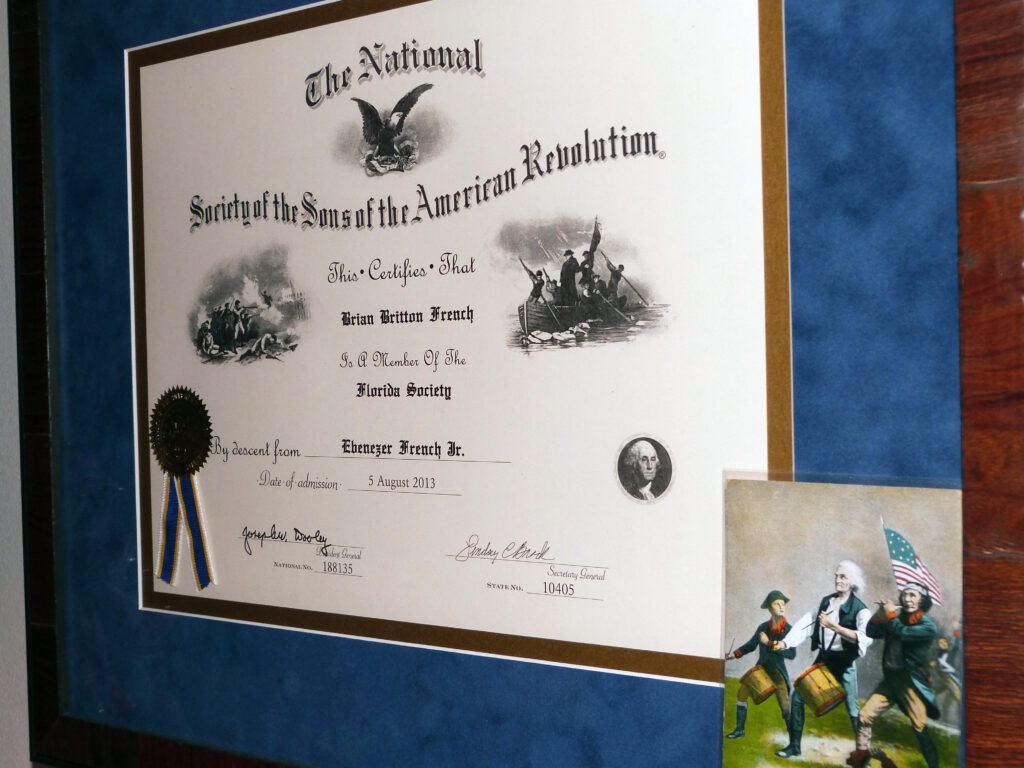
Ebenezer French Jr. was there through it all, his drum carrying the voice of command above the smoke and noise. That a member of one of Billerica’s oldest founding families stood on that hillside tells us everything about the character of the man and his community. He had not come as an abstraction or idealist. He came as a man of Billerica — a French — a member of a community that had been building something for a hundred years and was now being asked to defend it.
Ebenezer French III: The Ultimate Sacrifice
Not every French who went to war came home.
Ebenezer French III, son of the drummer of Bunker Hill, gave his life in the service of the cause his father had drummed for. He was killed in the Revolutionary War — one of the names now inscribed on the Billerica Revolutionary War soldier monument, memorialized in bronze for all who came after.
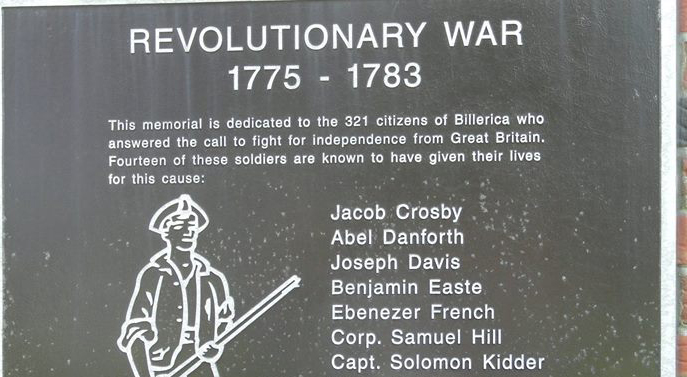
His death was not merely the loss of one young man. Because of who the Frenches were — because of a century of marriages connecting them to nearly every prominent family in Billerica — the grief of Ebenezer French III’s death rippled outward through the town’s entire social network. The families who mourned him were his relatives. The neighbors who bowed their heads at the news were his cousins, his uncles by marriage, the fathers of his childhood friends who had also gone to war. In Billerica, it was not a private grief. It was a communal one.
But the loss goes deeper and wider for the French family tree of cousins and in-laws include the: Crosby’s, Danforth’s, Hill’s , Pollards, Kidder’s and more.
The Monument and Its Message
The Billerica Revolutionary War soldier monument stands as a record of the town’s sacrifice — a roster of names, each one representing a man who left and did not return. When more than half of those men can be traced, by direct blood or by the long chains of intermarriage that defined colonial Billerica, to the French family, the monument becomes something more than a tribute to individual soldiers.
It becomes a testament to what a founding family truly means. The Frenches had helped build Billerica. Their descendants — sons, sons-in-law, cousins, nephews, and the husbands of granddaughters — had then defended it and the nation it belonged to. The founding and the fighting were of a piece. You cannot separate the family that built the town from the family that bled for it, because they were the same family.
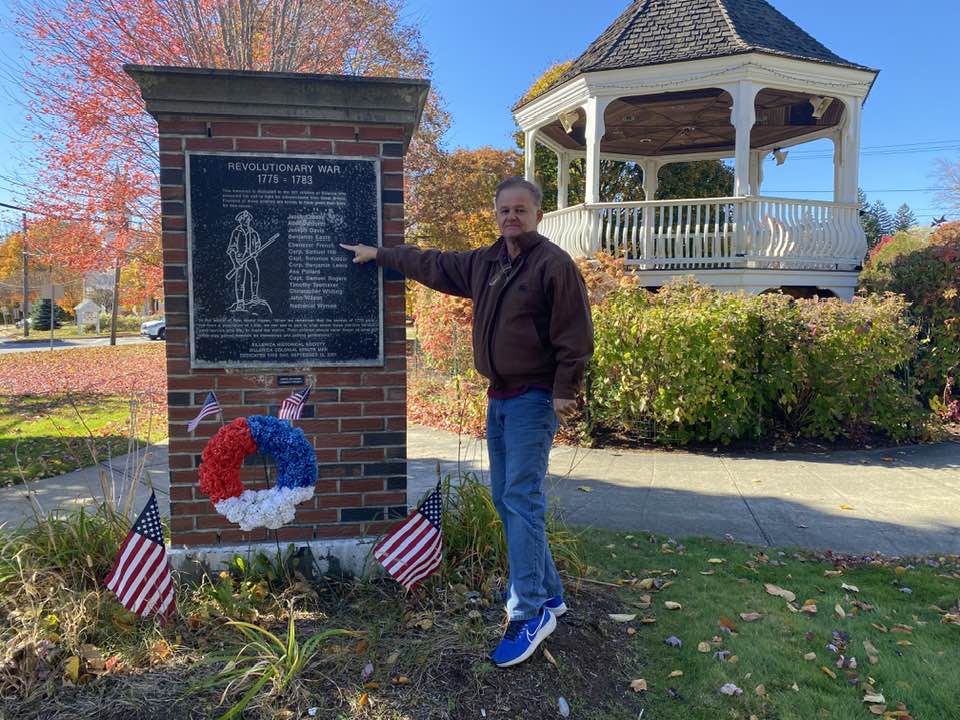
A Legacy Written in Bronze and Blood
The United States was not built in a single generation. It was built across generations — by families who cleared land, raised children, married neighbors, and slowly, painstakingly constructed communities worth living in and worth dying for. When the Revolution came, those communities did not need to be organized by distant leaders. They were already organized, by a hundred years of ordinary life. They were already motivated, by everything they stood to lose.
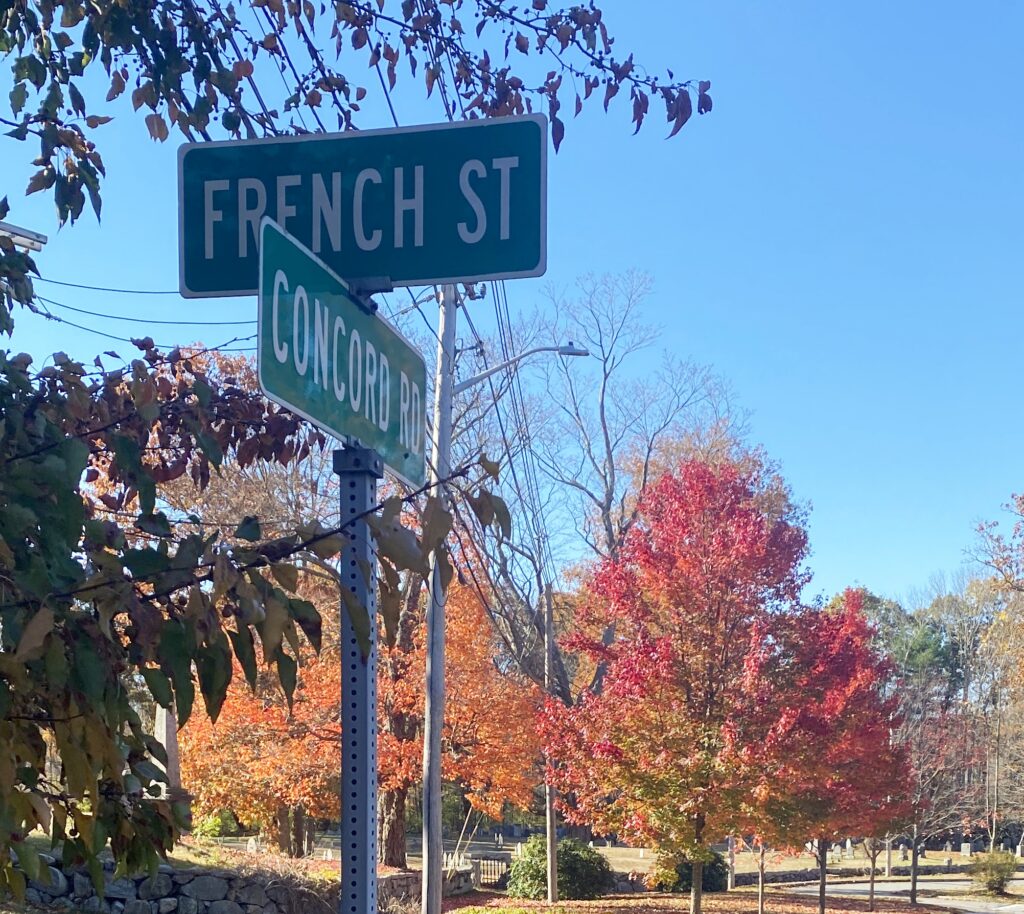
The Road to Lexington and Concord goes thru French Street
The founding families of Billerica, Massachusetts — with the French family at their heart — gave more than their fair share to the cause of American liberty. Ebenezer French Jr. brought his drum to Bunker Hill. Ebenezer French III brought his life, and left it behind. And more than half the names on the Billerica monument are, in one way or another, their family.
That is a sacrifice worthy of remembrance — not just in Billerica, but in the nation their family helped to found.
The Billerica Revolutionary War soldier monument stands today as a reminder that the American Revolution was not fought by heroes in the abstract, but by neighbors, cousins, brothers, and sons — families who had spent generations building something together, and who gave everything to defend it.
About the Author